- DR. GAURAV GUPTA
Every Step Matters. Let’s Help Your Child Walk, Run, and Grow with Confidence.
Specialized, Compassionate Bone & Joint Care Designed Just for Growing Children.
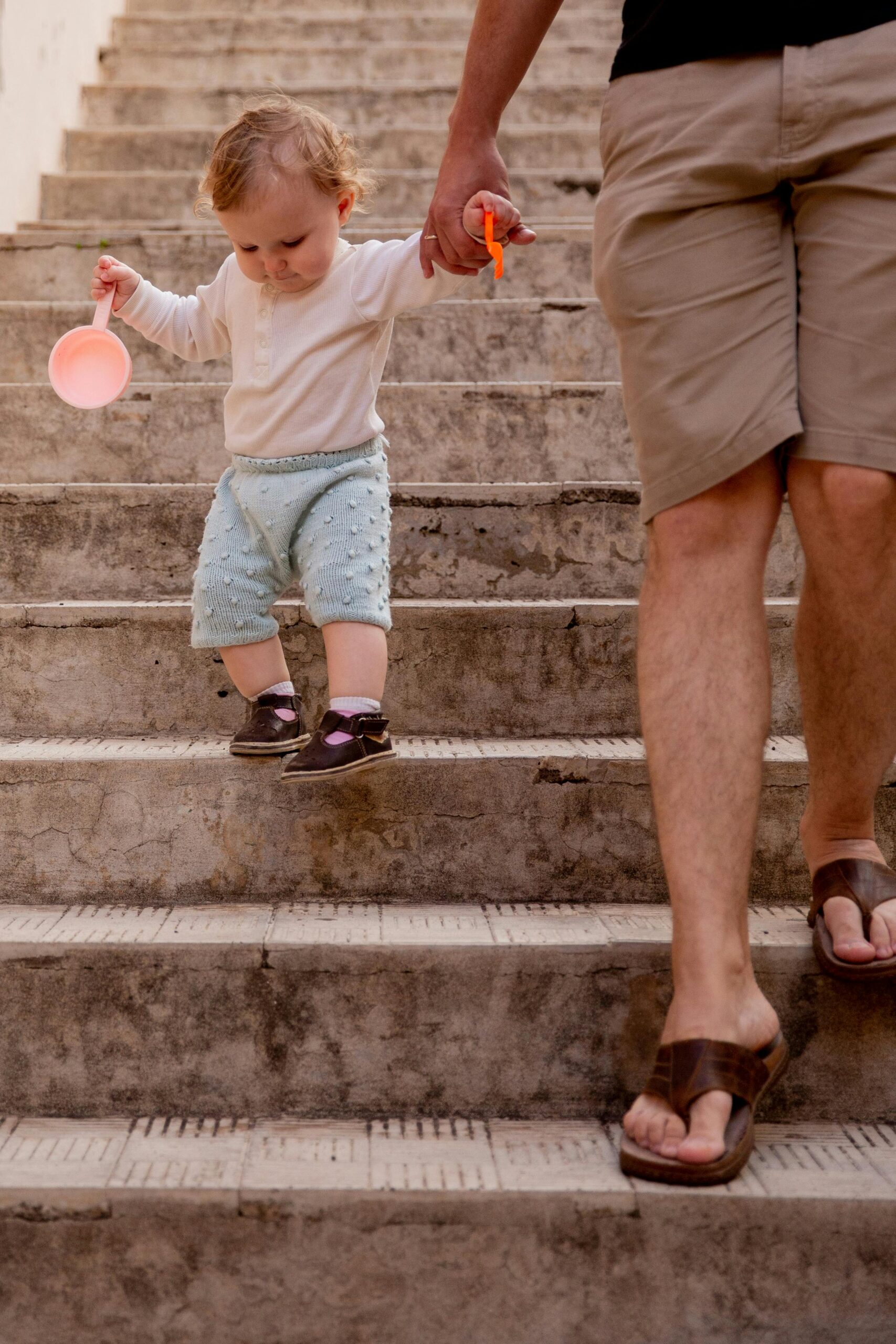
As parents, watching your child take their first steps is a moment of pure joy. But when you notice an unusual curve in their legs, an uneven stride, or a foot that turns inward, it’s completely natural to feel anxious. Children aren't just miniature adults—their bones, muscles, and joints are constantly evolving. Because their growth plates are still active, structural issues require a gentle, highly specialized touch. At the clinic of Dr. Gaurav Gupta, we blend advanced medical expertise with a warm, child-friendly approach to ensure your little one gets the right diagnosis and treatment at the right time. Let’s protect their milestones together.
- DR. GAURAV GUPTA
Why Choose Dr. Gaurav Gupta?
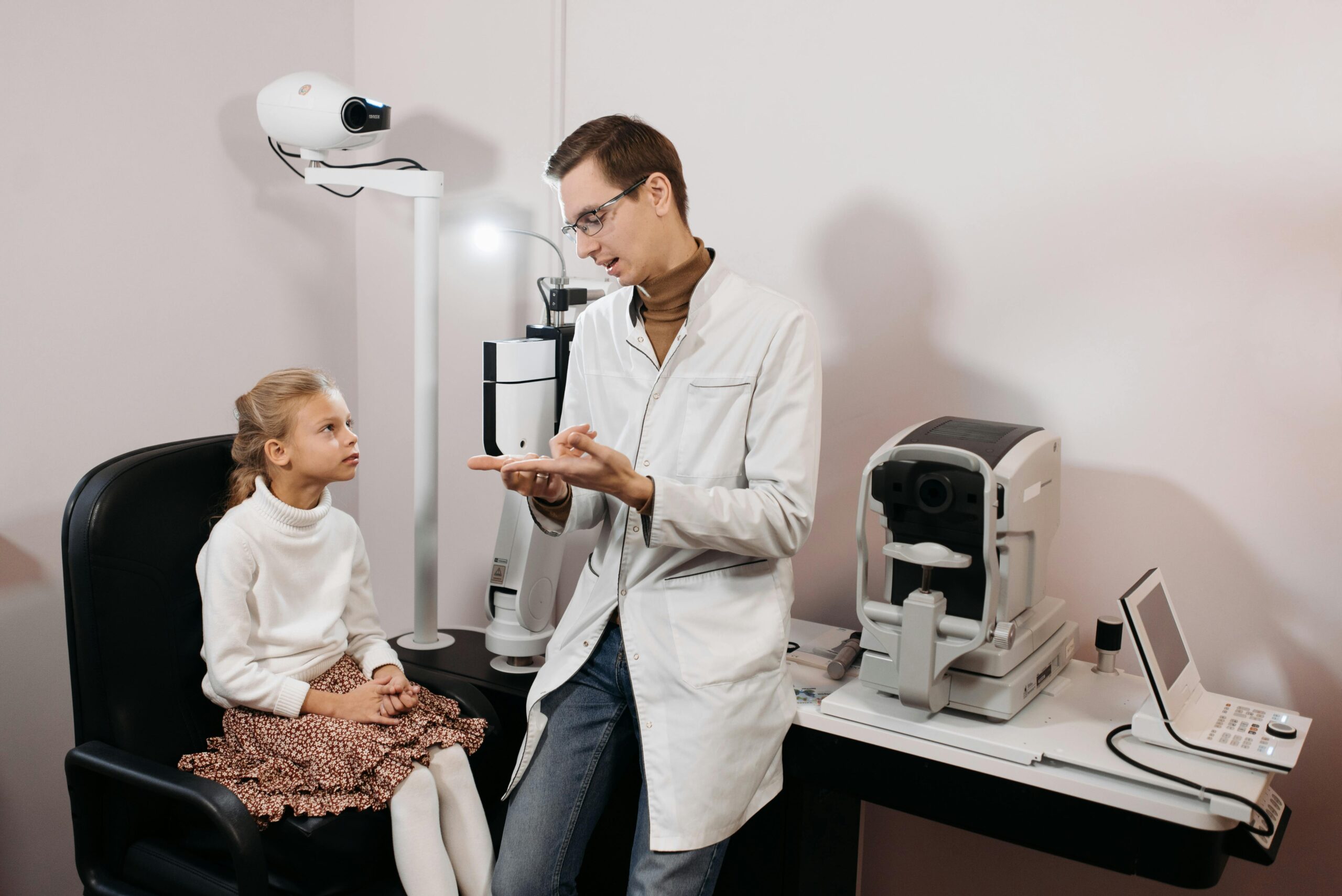
We know that a visit to the doctor can be scary for a child. That is why we have reimagined the clinical experience to be as stress-free and welcoming as possible.
- Pediatric Expertise: Focused training in congenital, developmental, and spine conditions unique to growing bodies.
- A "Parent-Approved" Environment: Nurturing, patient consultations where your child feels safe, and you feel genuinely heard.
- Conservative-First Philosophy: We always prioritize non-surgical paths—like custom bracing, specialized physical therapy, and nutritional tracking—before ever considering surgery.
- Advanced, Minimally Invasive Care: When structural intervention is necessary, we use modern, tiny-incision techniques that mean less pain and faster recovery times.
- DR. GAURAV GUPTA
Our Specialized Pediatric Orthopedic Services.
Early structural issues don't have to turn into lifelong hurdles. Discover how we treat the most common pediatric orthopedic conditions using proven, evidence-based methods.
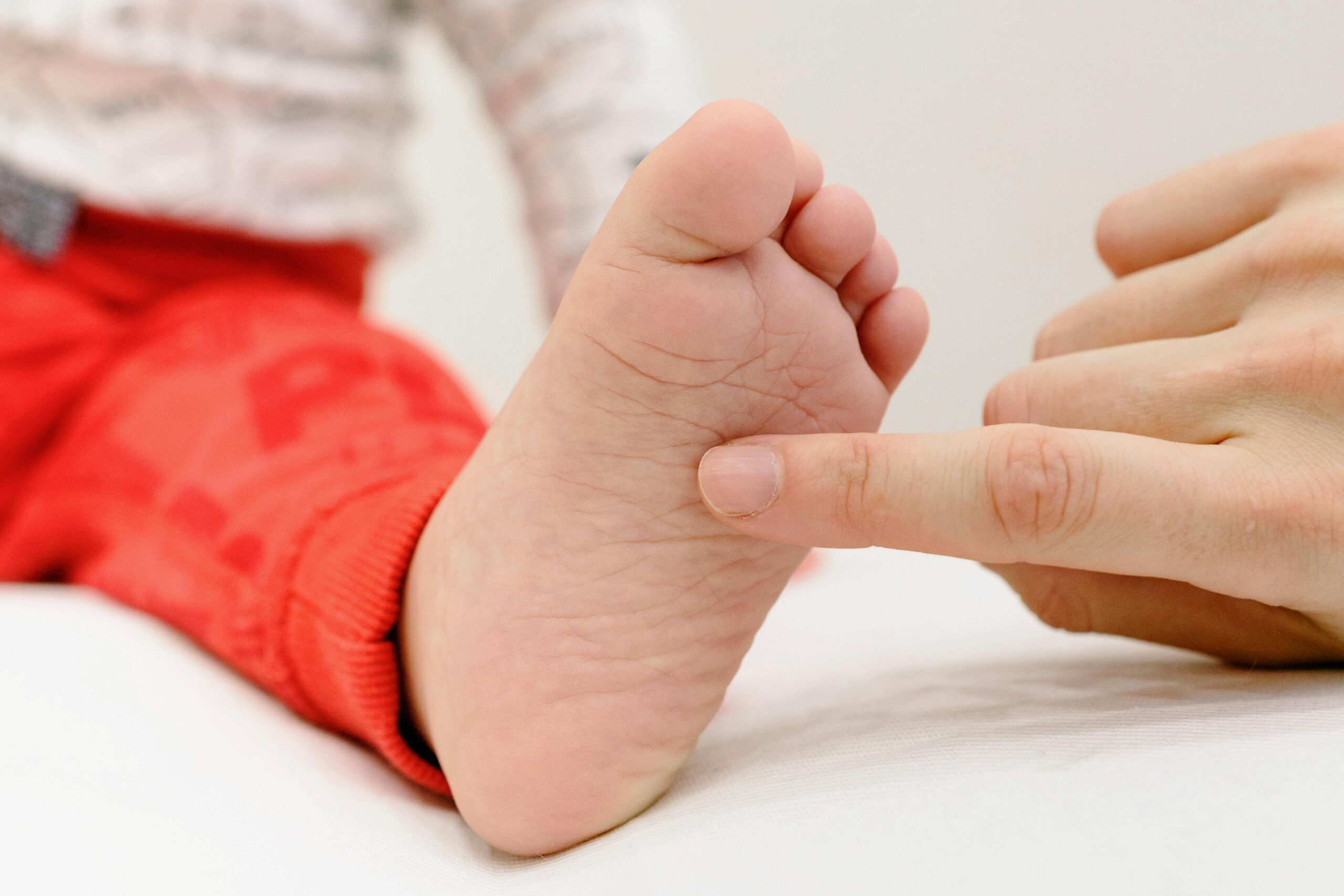
CTEV (Clubfoot) Correction.
Clubfoot (Congenital Talipes Equinovarus) is a condition present at birth where a baby’s foot twists sharply inward or downward. While it looks alarming, it is highly correctable.
Signs to watch for: An inward-facing foot, difficulty flattening the foot, a unusually tight heel cord, or deep creases on the bottom of the foot.
Our Approach: We primarily use the world-renowned Ponseti Method (a series of gentle, corrective plaster casts) followed by specialized braces. This achieves near-perfect correction without major open surgery, allowing your child to walk, run, and play normally.
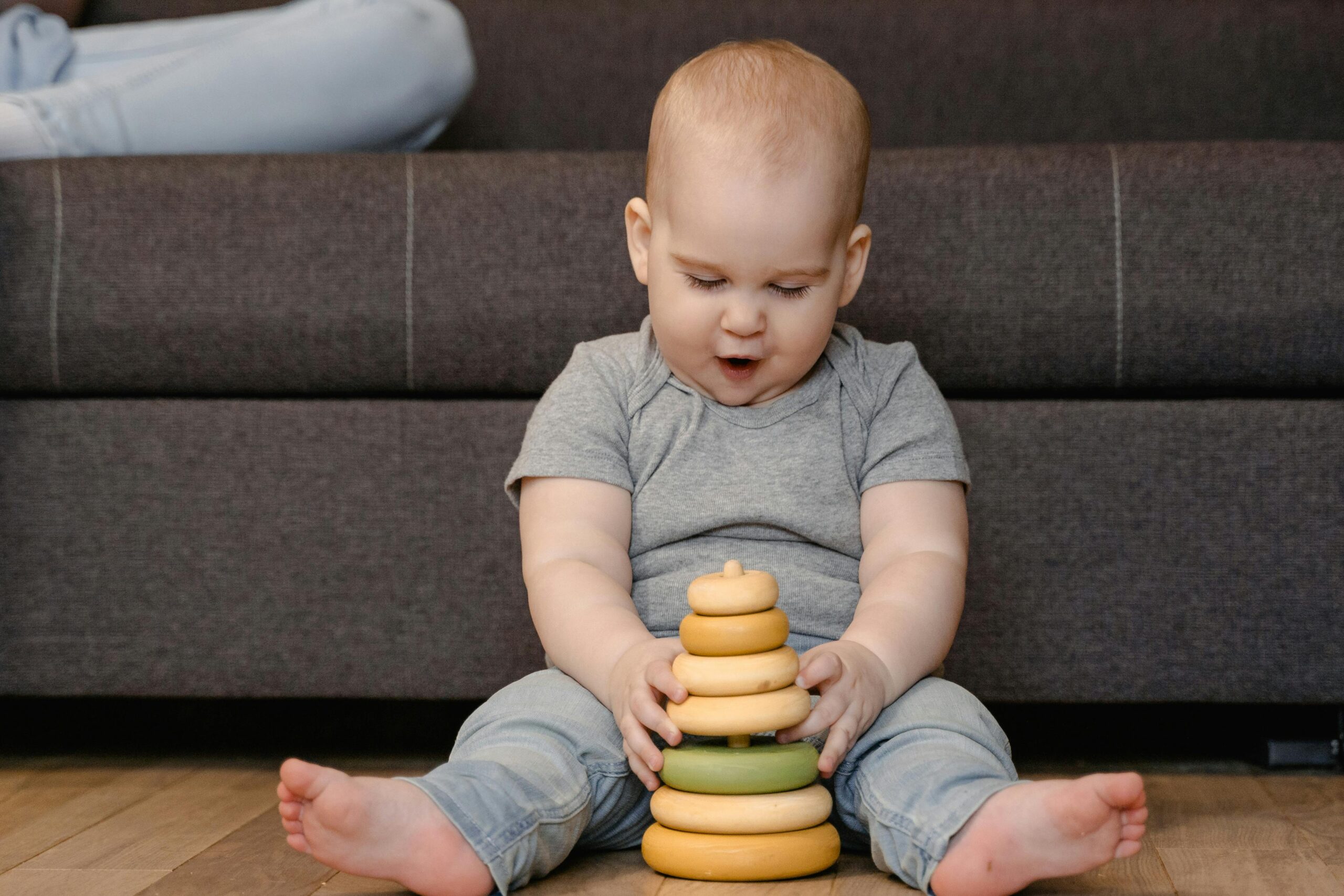
DDH (Developmental Dysplasia of the Hip).
DDH occurs when an infant’s hip joint doesn't form correctly, causing the ball of the hip to sit loosely or completely slip out of its socket.
Signs to watch for: One leg appearing shorter than the other, uneven skin folds around the thighs or buttocks, a distinct "clicking" sound during diaper changes, or a delayed walking milestone.
Our Approach: Early screening is vital. For infants, we safely guide hip development using a soft, non-invasive Pavlik Harness. If diagnosed later, we offer precise hip reduction procedures and customized corrective care.
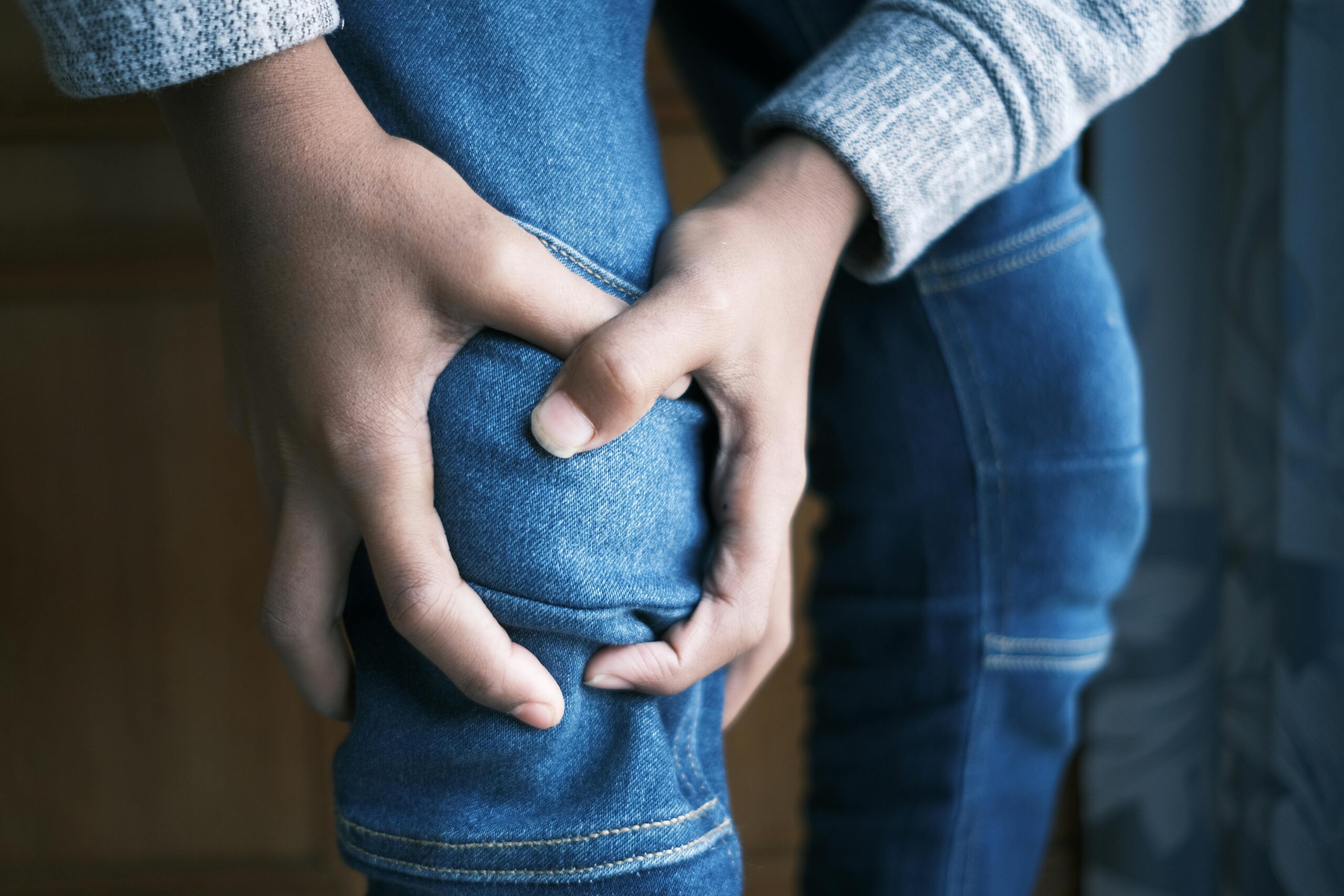
Knock Knees & Bow Legs (Genu Valgum & Genu Varum).
Many toddlers naturally have bowed legs or knock knees as they grow. However, if the alignment doesn't correct itself over time, or if it looks asymmetrical, it warrants an expert evaluation.
Root Causes: Natural growth variations, underlying vitamin deficiencies (like Rickets), or bone development disorders.
Our Approach: We track your child’s alignment through careful observation, optimize their nutritional health, and use custom braces. If the issue persists past a certain age, minor growth-modulation surgery can gently guide the bone into straight alignment as they grow.
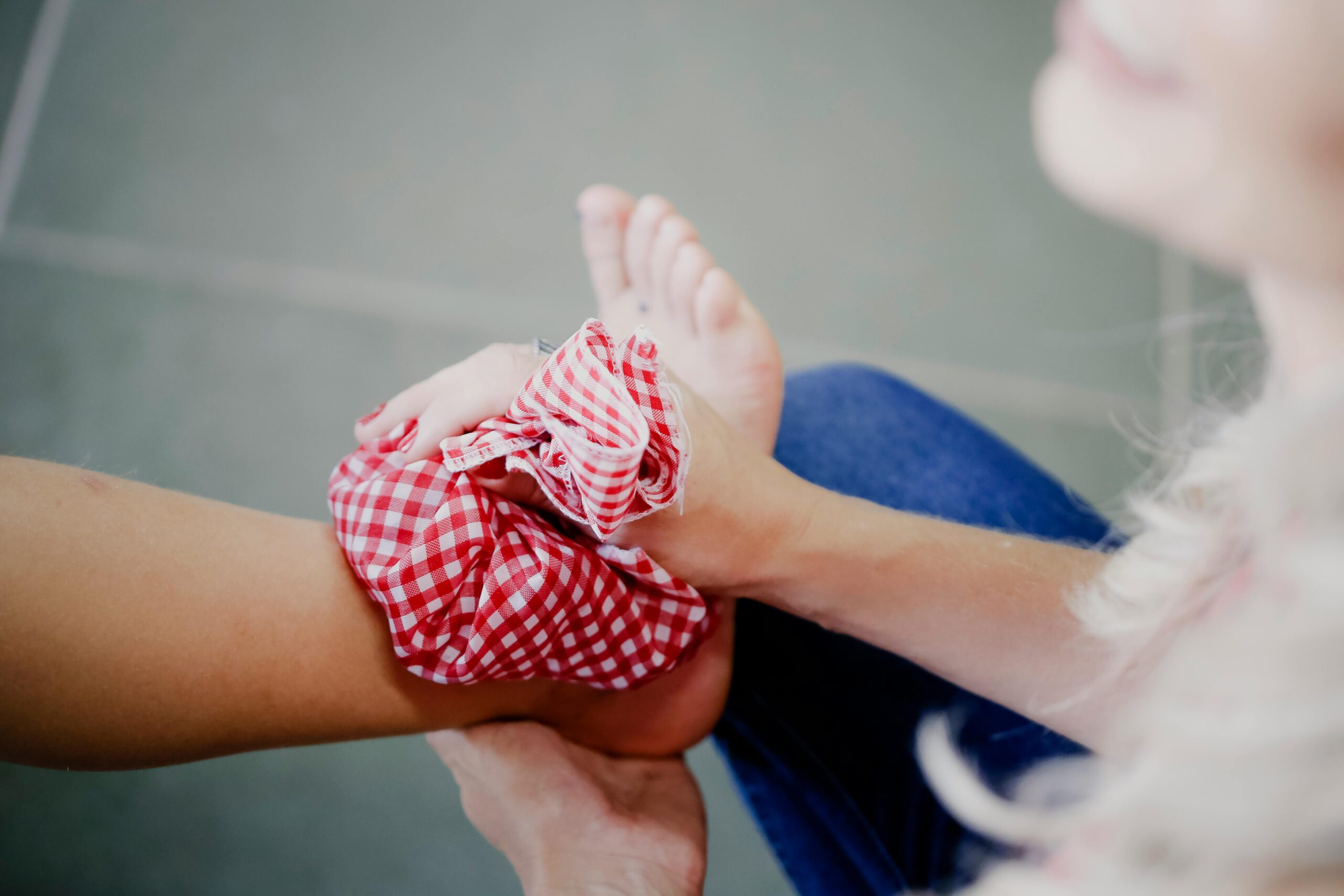
Calcaneovalgus Foot Management.
Frequently seen in newborns, this condition causes the foot to bend sharply upward and outward—often due to a cramped position inside the womb.
Frequently seen in newborns, this condition causes the foot to bend sharply upward and outward—often due to a cramped position inside the womb.
Our Approach: The good news is that most babies respond wonderfully to conservative care. We will teach you gentle, targeted stretching exercises and provide light splints if necessary, tracking their progress until the foot straightens naturally.
Frequently Asked Questions.
The most effective and globally accepted treatment for clubfoot (CTEV) is the Ponseti Method. This involves a sequence of weekly, gentle leg casts applied within the first few weeks of life to gradually manipulate the foot into its correct position. It is highly successful and minimizes the need for major surgical reconstructions later in childhood.
While mild bowing or knock knees can be a normal part of development for toddlers, you should seek a pediatric orthopedic consultation if:
- The bowing is severe or only affects one leg.
- The condition worsens after the age of 2 or 3.
- Your child experiences pain, limps, or struggles to keep up during play.
Yes, if Developmental Dysplasia of the Hip (DDH) is diagnosed early—ideally in the first six months of a baby’s life—it can usually be treated successfully without surgery. Doctors typically use a dynamic brace called a Pavlik Harness, which holds the baby’s hips in the ideal position for the joint to mature naturally.
Children’s bones have active growth plates, making their skeletal system highly dynamic and sensitive. A general orthopedic doctor typically focuses on mature, adult bones. A pediatric orthopedic specialist has dedicated training to understand how a treatment will interact with a child’s future growth, preventing permanent damage to their developmental potential.
- DR. GAURAV GUPTA
Diagnosis & Early Intervention FAQs
Evaluation can begin as early as the first week of birth for congenital conditions like clubfoot (CTEV) or hip dysplasia (DDH). For developmental issues like an unusual gait, frequent tripping, or asymmetrical leg alignment, a diagnostic assessment should be scheduled as soon as the parent or pediatrician notices a variation from typical milestones. Early screening takes advantage of a child’s highly adaptable, growing skeletal system, often allowing for purely non-surgical corrections.
Most toddlers naturally appear to have flat feet because their arches haven’t fully formed and are hidden by infant fat pads. However, you should consult a pediatric orthopedic specialist if the flat feet persist past the age of 5, cause your child structural pain in the feet, ankles, or knees, or cause them to withdraw from physical activities and sports due to early fatigue.
- DR. GAURAV GUPTA
Clinic Logistics & Pediatric Care FAQs
Yes. To ensure a seamless, stress-free experience for families, our specialized care center in Adarsh Nagar, Jajmau, Kanpur provides access to targeted pediatric diagnostic imaging. This enables immediate, accurate evaluation of bone alignments, fractures, and developmental joint conditions during your visit, preventing the need to travel to multiple diagnostic centers.
A specialized pediatric consultation is built entirely around a child’s unique physical and emotional needs. Children are often unable to articulate exactly where it hurts or why they are limping. Dr. Gaurav Gupta uses specialized physical evaluation techniques disguised as play to track joint mobility accurately without causing fear. Additionally, our treatment paths are calibrated around active growth plates to ensure interventions protect future height and bone development.
Specialized Treatment & Recovery FAQs
Because we prioritize minimally invasive techniques with microscopic incisions, pediatric recovery times are significantly faster than traditional adult orthopedic surgeries. Most children are back to light, supervised activities within a few weeks. A custom, post-operative pediatric physical therapy and rehabilitation plan is designed around your child’s specific condition to safely accelerate a return to playground activities.
Nutritional deficiencies—particularly a lack of Vitamin D3 and Calcium—can lead to conditions like Rickets, which weakens growing bones and causes structural issues like severe bow legs (Genu Varum) or knock knees (Genu Valgum). When caught early, these deformities can frequently be corrected through targeted nutritional management, specialized bracing, and metabolic tracking without requiring surgical reconstruction.
- DR. GAURAV GUPTA